South Kensington removals for buildings with lift restrictions
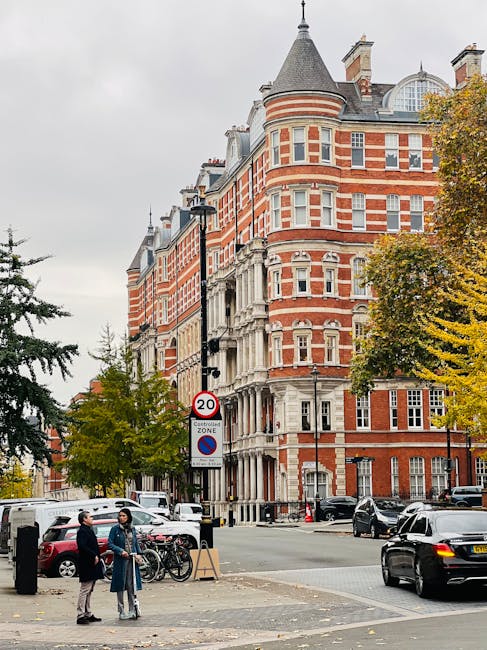
Moving in South Kensington sounds straightforward until you meet the lift. Or rather, the lift restriction. Maybe it is small, slow, booked for set hours, or off-limits for large items. Sometimes the building rules are stricter than the move itself. And that is where South Kensington removals for buildings with lift restrictions becomes a very specific skill, not just a standard van-and-boxes job.
If you live in a mansion block, a converted townhouse, a managed apartment building, or a period property with narrow access, you already know the drill: timings matter, hallway space matters, and one awkward sofa can turn into a half-day puzzle. This guide breaks down how these moves work, what good planning looks like, and how to avoid the common headaches that catch people out. Let's face it, nobody wants to spend moving day arguing with a building manager while a wardrobe sits in the lobby.
Whether you are moving out, moving in, or helping a tenant, the goal is simple: protect the building, protect your belongings, and get the job done without chaos. Here is the practical version.
Table of Contents
- Why lift restrictions matter in South Kensington
- How the move works in practice
- Key benefits and practical advantages
- Who this is for and when it makes sense
- Step-by-step guidance
- Expert tips for better results
- Common mistakes to avoid
- Tools, resources and recommendations
- Law, compliance, standards and best practice
- Options and comparison table
- Case study or real-world example
- Practical checklist
- Conclusion
- Frequently asked questions
Why South Kensington removals for buildings with lift restrictions Matters
South Kensington is full of properties where access is elegant on paper and awkward in real life. Buildings may have compact lifts, service lift-only rules, limited booking windows, no lift use for furniture, or a management team that wants every move scheduled with military precision. Those rules are not just a nuisance. They shape the entire move.
When lift restrictions are involved, the risk is rarely dramatic on its own. It is the accumulation of small delays: waiting for the lift to be free, discovering the sofa will not fit, carrying items up a winding stairwell, protecting common areas, or rebooking because the building only allows removals at certain times. A standard removal plan can fall apart fast if it is not built around those realities.
In practical terms, this matters for three reasons. First, it protects the building fabric: walls, bannisters, lift doors, flooring, and shared corridors. Second, it protects your possessions from knocks and compressions that happen during awkward manoeuvres. Third, it protects your schedule and sanity. That last one is worth more than people admit.
There is also a local reality to consider. South Kensington properties often sit in busy streets with tight parking, loading limitations, and neighbours who notice everything. A move that is rushed or poorly communicated can quickly become stressful for everyone involved. A well-planned move, by contrast, feels calm and almost boring. Which, on moving day, is a very good thing.
Expert takeaway: if the building's lift is restricted, the move should be designed around the restriction from the start, not treated as an inconvenience to work around later.
How South Kensington removals for buildings with lift restrictions Works
At a high level, the process is simple: assess the access, plan the route, prepare the right equipment, and coordinate the timings with the building. In practice, the detail matters.
The first step is usually an access check. That may be done from photos, a short call, a video walkthrough, or an in-person look at the building if needed. The aim is to understand lift dimensions, stair widths, turning space, floor protection requirements, parking access, and any rules from the building manager or porter. For larger or more delicate items, this check can save a surprising amount of trouble.
Next comes route planning. If the lift cannot be used for certain items, the team needs an alternative route that still works safely. Sometimes that means using stairs with extra manpower. Sometimes it means dismantling furniture before the move. Sometimes it means splitting the job into smaller loads. The best plan is not always the fastest one at first glance, but it is usually the one that avoids damage and delay.
Then there is preparation. This includes wrapping furniture, protecting lift panels and corridor corners, labelling boxes, and making sure items needed first at the new property are easy to reach. If you have ever been hunting for bedding at 11 p.m. while standing in a room full of boxes, you already know why that matters. Tiny oversight, big frustration.
On moving day, communication is everything. The team should know when the lift is available, where to park, which entrance to use, and whether any items need extra handling. If the building manager has specific rules, those need to be followed precisely. That often sounds fussy until you realise those rules exist because the building has seen every possible moving-day mistake already.
For many moves, a combination of services is the smart route. A pair of hands and a van may be enough for lighter jobs, while larger flats, packed households, or awkward furniture can benefit from full flat removals or broader removal services. If access is especially tight, it may also help to include disassembly, packing, or temporary storage in the plan.
Key Benefits and Practical Advantages
When a lift-restricted move is handled properly, the benefits are very tangible. You feel them on the day and, to be fair, in the days after too.
- Lower risk of damage: careful planning reduces bumps, scrapes, and awkward lifting through tight spaces.
- Less stress: everyone knows the plan, the sequence, and the building rules before the van arrives.
- Better time control: a planned route and booking window help prevent unnecessary waiting.
- Cleaner building presentation: proper floor and wall protection keeps common areas tidy and respected.
- Smarter use of labour: the right team size, tools, and access plan prevent overpaying for avoidable delays.
- More predictable moving day: fewer surprises, fewer arguments, fewer "we'll just see what happens" moments.
Another advantage is practical flexibility. In some buildings, a lift restriction does not mean a move is difficult; it simply means the move must be adapted. Furniture can be dismantled, items can be staged in batches, and delicate pieces can be moved under supervision. This is where experience really shows. A good moving team sees the problem before it becomes a problem.
There is also a subtle but important emotional benefit. When the building feels calm and the move is under control, you settle faster. People underestimate how much the atmosphere of moving day affects the rest of the week. A messy start has a way of sticking in your mind.
Who This Is For and When It Makes Sense
This kind of move is especially relevant if you are in a managed flat, a converted Victorian or Edwardian building, a townhouse split into apartments, or any property where the lift has usage limits. It also makes sense if your furniture is bulky, fragile, or expensive, because those pieces often need more than a quick carry and hope-for-the-best approach.
You are likely in the right category if any of the following apply:
- The building only allows lift use at certain times.
- Large items are not permitted in the lift at all.
- The lift is too small for sofas, beds, wardrobes, or appliances.
- The building manager requires booking, padding, or porter coordination.
- You are moving from a top floor or into a compact apartment.
- You have fragile, valuable, or awkward items that need extra care.
It is also worth thinking about this service if you are a landlord, letting agent, or building resident helping a tenant move in or out. A smooth move reflects well on everyone involved, and in a busy area like South Kensington, the difference between a tidy move and a chaotic one is often the planning that happens beforehand.
Not every move needs a highly specialised setup. A small bag move or a simple student relocation may be easier. But as soon as access becomes awkward, the value of proper coordination rises sharply. Truth be told, the building decides the move as much as you do.
Step-by-Step Guidance
Here is the practical sequence that usually works best for South Kensington removals where lift restrictions are part of the picture.
- Check the building rules early. Ask about lift size, booking slots, padding requirements, loading bays, and any restrictions on weekends or evenings.
- Measure the biggest items. Sofas, mattresses, wardrobes, beds, fridge-freezers, and desks are the usual troublemakers. Measure height, width, and depth, not just the "rough size".
- Confirm the route. Find out whether items must be carried via stairs, service lift, or a designated access point.
- Decide what should be dismantled. Some furniture moves safely only after partial disassembly. This is often cheaper than wrestling with a tight corner.
- Book the right help. If the move is complicated, choose a team with experience in restricted access and apartment moves, not just a van.
- Prepare the property. Clear hallways, protect fragile items, label boxes clearly, and set aside essentials for immediate use.
- Protect the building. Use covers, blankets, corner guards, and floor protection where required.
- Load in the correct sequence. The first items out should be the ones least likely to block access; the first items in should be the essentials you need straight away.
- Keep communication open. If the lift is delayed or access changes, the team should know quickly so they can adapt.
- Do a final walk-through. Check for forgotten items, damage, and any building-specific sign-off needed.
One small but useful tip: keep keys, permits, and building contact details in a single pocket or folder. Sounds basic, I know. But moving day has a way of eating paperwork for breakfast.
Expert Tips for Better Results
Experience matters most when the access is awkward. These are the kinds of details that make a move feel controlled rather than improvised.
1. Share photographs before moving day
Photos of the lift, entrance, stairwell, and the largest items give a mover a much clearer picture than a description alone. A "fairly large wardrobe" can mean very different things to different people.
2. Plan for the worst-fit item first
Do not build your plan around the easiest box. Build it around the sofa, the mattress, the glass cabinet, or whatever item is most likely to cause a delay. That one object often determines the whole approach.
3. Use dismantling where it genuinely helps
Sometimes dismantling a bed or table is the cleanest answer. It can reduce strain, protect finishes, and make the route far simpler. If a piece is awkward but repairable, taking it apart may be the smarter move.
4. Keep the lift available as much as possible
If the building allows lift use for some items but not all, coordinate the loading order carefully. A lift blocked by one over-sized item can slow everything else down. A small tactical mistake, that's all it takes.
5. Treat corridors like working space, not storage space
Hallways in managed buildings often need to remain clear. Stage items neatly and keep the route free so the move stays safe and compliant with building expectations.
6. Leave a buffer in the schedule
Lift waits, parking friction, and building access checks can easily add time. A sensible buffer keeps the day from feeling panicked if the first hour is slower than expected.
In our experience, the calmest moves are the ones where nobody is surprised. Simple enough. But it takes thought to get there.
Common Mistakes to Avoid
Most problems with lift-restricted removals are avoidable. The usual culprits are not dramatic, just inconvenient. And inconvenient becomes expensive if you let it.
- Assuming the lift can take everything: many lifts are not designed for large furniture or long items.
- Not checking building rules in advance: last-minute surprises create delays and sometimes extra fees.
- Failing to measure properly: a few centimetres can make the difference between a smooth lift transfer and a stair carry.
- Booking too little help: restricted access often means more hands, not fewer.
- Leaving packing until the last minute: half-packed boxes are slower, less secure, and more frustrating.
- Ignoring parking and loading constraints: if the van cannot stop safely, the move starts badly.
- Not protecting walls and floors: even careful movers can leave marks when spaces are tight.
- Overloading the day's timetable: one move can be enough for a day with access restrictions.
Another mistake is trying to "be helpful" by moving items yourself without understanding the route. This often comes from good intentions, but it can backfire quickly. A slip on a stair, a bumped doorframe, a strained back - none of that helps. If the route is awkward, let the plan do the heavy lifting.
Tools, Resources and Recommendations
You do not need a warehouse full of kit, but the right moving tools make a noticeable difference in restricted-access buildings.
- Furniture blankets and protective wraps: helpful for corners, polished surfaces, and delicate edges.
- Corner guards and floor coverings: useful in common areas where damage risk is higher.
- Straps and trolleys: make heavier items safer to handle where the route allows them.
- Labelled boxes: reduce confusion and keep essentials easy to find after the move.
- Dismantling tools: sometimes a simple toolkit saves a large amount of time.
- Clear inventory list: especially useful for valuable items or multi-room flats.
For service planning, it can also help to compare your move with related options. For example, a full household move may sit better under home moves, while a lighter or more flexible job may suit man with van support. If you need to move a bulky item separately, furniture removals may be the more efficient fit.
If your move also involves packing assistance, consider whether packing and unpacking services would save time and reduce stress. Sometimes the fastest route is not the one with fewer services. It is the one that avoids avoidable problems.
Law, Compliance, Standards, or Best Practice
Lift-restricted removals are not usually about complex legal issues, but they do sit inside a framework of building rules, safety duties, and sensible practice. In London, that matters. Building managers and residents expect movers to work neatly, respect shared spaces, and avoid creating hazards.
Best practice typically includes:
- following building access rules and booking procedures;
- protecting floors, walls, lift interiors, and door frames where required;
- using suitable lifting methods and enough people for heavier items;
- keeping routes clear and avoiding obstruction in communal areas;
- checking insurance and safety arrangements before the move;
- handling fragile or valuable items with additional care;
- communicating clearly with residents, porters, or building management.
A responsible mover should also be able to explain how they manage safety and damage prevention. That includes whether they use protective materials, how they assess access, and what happens if an item cannot be moved through the lift as planned. If you want to dig into those practical safeguards, the pages on insurance and safety and the health and safety policy are worth a look.
There is another quiet but important point: respect for the building. South Kensington properties are often well maintained, and a careless move stands out immediately. Good practice is partly about compliance, but it is also just basic neighbourly behaviour. A bit of care goes a long way.
Options, Methods, or Comparison Table
Not every restricted-access move needs the same approach. The best method depends on the item size, lift size, building rules, and how much time you have. Here is a simple comparison.
| Method | Best for | Advantages | Watch-outs |
|---|---|---|---|
| Lift-assisted move | Small to medium items that fit within rules | Fast, tidy, less physical strain | May require booking and careful timing |
| Stair carry | Items too large for the lift | Works when lift use is restricted | More labour, more handling risk, slower |
| Furniture dismantling | Bulky beds, tables, wardrobes, awkward items | Improves fit and safety | Needs reassembly and the right tools |
| Split-load moving | Flats with tight access or strict lift windows | Flexible, reduces congestion | Can take longer and needs good coordination |
| Combined move with storage | Moves that cannot be completed in one go | Useful when timings or access are limited | Extra planning and storage cost |
For many South Kensington flats, the right answer is a hybrid. A few items go through the lift, one or two are dismantled, and the largest pieces are handled by the stair route. That mix is not a compromise. It is often the smartest way to keep the day moving.
If you are unsure which route fits your property, a quick access review is usually enough to narrow it down. A decent plan beats a hopeful one every time.
Case Study or Real-World Example
Here is a realistic example from the kind of move people often face in South Kensington. A resident in a third-floor flat needed to move out at the end of a tenancy. The building had a lift, but it was small and had restricted hours for larger items. The sofa would not fit without risk, the bed frame needed partial dismantling, and the corridor was too narrow to leave boxes stacked.
Rather than forcing everything through the same route, the move was split into stages. Smaller boxes were loaded first while the lift was available. The bed frame was dismantled, wrapped, and carried in sections. The sofa was taken by stair route with extra protection on corners and walls. The team kept the corridor clear, worked around the building timetable, and finished without damage or complaints.
What made that move successful was not speed. It was sequencing. The team knew what to move first, what to dismantle, and what not to force. There was no heroic nonsense. Just a clear plan, a bit of patience, and the right kit.
That kind of approach is especially useful in South Kensington where buildings tend to have a stronger sense of order. If you respect the building rules, the move usually becomes much easier than people expect. Funny how that works.
Practical Checklist
Use this checklist before moving day. It is the simplest way to avoid a last-minute scramble.
- Confirm lift size and any restrictions on use.
- Check whether the building requires advance booking or porter approval.
- Measure the largest furniture items.
- Decide which items should be dismantled.
- Arrange parking or loading access if needed.
- Protect floors, walls, and lift interiors where required.
- Label boxes by room and priority.
- Pack essentials separately for the first night.
- Keep keys, passes, and contact numbers accessible.
- Tell neighbours or building management if notification is expected.
- Make sure fragile items are clearly marked.
- Confirm the move time, route, and point of contact on the day.
Quick rule of thumb: if the item feels awkward in your hands before the move, it will feel even more awkward on a narrow landing.
Conclusion
South Kensington removals for buildings with lift restrictions are all about preparation, judgement, and respect for the building you are moving through. The right plan keeps the move calm, protects your belongings, and avoids the kind of delays that can turn a normal day into a long one. The good news is that most problems are manageable once they are identified early.
If you are weighing up your options, start with the access, not the van. Measure the largest items, understand the building rules, and choose a method that fits the property rather than fighting it. That one change can make the whole experience smoother. And usually, a lot less stressful.
If you want a move that is organised from the start, explore the available options, compare the level of support you need, and choose a team that understands restricted access in real London buildings.
Get a free quote today and see how much you can save.
When the lift is awkward, the best move is the careful one. That is often the difference between a day you endure and a day you actually get through with a bit of grace.
Frequently Asked Questions
What counts as a lift restriction in a South Kensington move?
A lift restriction can mean the lift is too small, only available at certain times, not suitable for furniture, or subject to building rules that limit its use for removals. Sometimes the restriction is practical, sometimes it is policy-based, and sometimes it is both.
Do I need to dismantle furniture for a lift-restricted building?
Not always, but often it helps. Beds, wardrobes, tables, and some sofas may move more safely once partially dismantled. It depends on the item, the lift size, and the route through the building.
Is it better to use the stairs or wait for the lift?
That depends on the item and the building rules. For some smaller items, the lift is easier and safer. For larger pieces that do not fit properly, a stair carry with the right team may be the better option. The safest route is usually the one that fits the object properly, not the one that looks quickest on paper.
How far in advance should I tell the movers about lift restrictions?
As early as possible. The more notice you give, the easier it is to plan labour, timing, equipment, and any dismantling needs. Last-minute access surprises are where delays tend to start.
Can movers protect the lift and communal areas?
Yes, and they should. Protective covers, floor protection, and corner guards are standard best practice in many buildings. If your building requires specific protection, make sure that is discussed before the move.
What if my sofa does not fit in the lift?
If the sofa will not fit safely, it may need to go by stairs or be partially dismantled if that is possible. A proper measurement beforehand can help avoid this problem, but if it happens on the day, a good team will usually adjust the plan rather than forcing the issue.
Are lift-restricted moves more expensive?
They can be, because they may require more labour, more time, or special handling. That said, the final cost depends on the specific building, the volume of items, access limitations, and whether dismantling or storage is needed.
What should I ask a removal company before booking?
Ask about access planning, insurance and safety, experience with apartment moves, furniture dismantling, and how they handle buildings with restricted lift use. Those questions tell you a lot about whether they are used to this kind of work.
Do I need permission from the building manager?
In many managed buildings, yes. Some require booking slots, lift padding, or prior notification. It is wise to check early, because building rules can change a straightforward move into a delayed one very quickly.
What is the best way to prepare a flat for a lift-restricted move?
Measure large items, pack clearly, clear access routes, separate essentials, and confirm the building's move rules. If possible, keep the lift and stair access area as free as you can. A tidy route makes a noticeable difference.
Can I combine packing help with a restricted-access move?
Yes, and in some cases it is a very good idea. Packing support can save time and reduce the risk of damaged items, especially when the building access already makes the move more complex.
What should I do if the lift breaks or becomes unavailable on moving day?
Stay calm and speak to the building contact and movers straight away. Depending on the items and timing, the team may switch to stair access, reschedule part of the move, or split the load. A flexible plan makes this kind of hiccup far less stressful than it sounds in the moment.
How do I know if my move needs a specialist approach?
If your building has strict lift rules, tight staircases, limited loading access, or bulky furniture, a specialist approach is usually worth it. If you are not sure, a quick access review is often enough to tell you whether the move is simple or more involved.