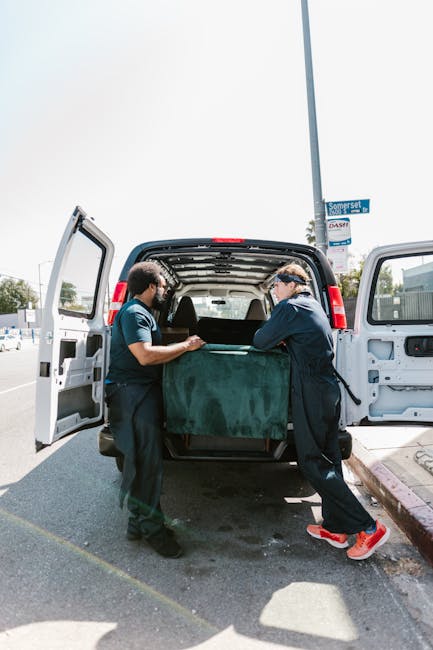
Furniture Dismantling and Removals South Kensington Expert Team: A Practical Guide for Stress-Free Moving
Moving furniture sounds simple right up until the moment you face a heavy wardrobe, a tight staircase, a vintage table with awkward legs, or a bed frame that was assembled with far too much enthusiasm and not enough common sense. That is where a Furniture dismantling and removals South Kensington expert team earns its keep. In a place like South Kensington, where properties can be elegant but access can be tricky, the difference between a smooth move and a frustrating one often comes down to planning, careful dismantling, and proper handling from start to finish.
This guide explains how the process works, what to expect, who needs it most, and how to choose a service that treats your furniture with the respect it deserves. We will also look at safety, compliance, packing, storage, and the little decisions that can save you time, money, and a fair bit of hassle. Truth be told, moving well is mostly about avoiding avoidable mistakes.
Why Furniture Dismantling and Removals South Kensington Expert Team Matters
Furniture dismantling is not just about taking things apart. It is about making a move workable in the real world. In South Kensington, that matters more than people sometimes expect. Stairwells can be narrow, doorways can be awkwardly sized, lifts may be small, and parking can turn a straightforward job into a logistical puzzle. If furniture is not broken down properly, the risk of damage goes up fast. So does the risk of delays, injuries, or that painful moment when a cabinet simply will not fit through the hallway.
An expert team brings order to that chaos. They assess whether an item should be dismantled, how to protect it, and how to reassemble it correctly at the other end. That may sound basic, but basic done properly is often what separates a calm move from a messy one. For many customers, especially those moving from period flats or multi-storey homes, professional dismantling is the only sensible route.
It also matters for the furniture itself. Some items are worth more than the effort it takes to move them badly. A solid oak bed, a designer sofa, a dining table with delicate finishes, or office furniture with specialist fittings all deserve careful handling. A trained removals team understands where pressure should be applied, where to support weight, and where to stop and think for a minute before forcing anything. That pause can save a lot.
Expert summary: In South Kensington, furniture dismantling is often less about convenience and more about protecting your property, your time, and the layout challenges that come with compact urban homes.
How Furniture Dismantling and Removals South Kensington Expert Team Works
The process usually starts with a quick understanding of what needs moving and what cannot safely travel in one piece. A careful removals team will ask about bed frames, wardrobes, desks, shelving, dining sets, and any bulky item with detachable parts. They will also consider access, parking, and whether the move is part of a wider home move, flat removals, or even a business relocation.
On the day, the team normally identifies which items need partial or full dismantling. They remove fittings, label components, store screws and brackets securely, and wrap delicate parts so nothing gets scratched or lost. If an item can be carried safely without dismantling, they will usually leave it intact. Good judgement matters here. Not every item should be stripped down, and not every item should be shoved through a doorway on hope alone.
Once the furniture is ready, it is carried out carefully and loaded into the vehicle in a way that prevents shifting during transit. If needed, items are separated by room or reassembly order, which makes delivery much easier. At the destination, the team reassembles the furniture, checks that it is stable, and places it where it belongs. That final step is often overlooked by less experienced movers, but it is where the job becomes genuinely complete.
When a move involves multiple services, it can be helpful to combine dismantling with furniture removals, packing and boxes, or even a broader removal services package. That kind of joined-up planning tends to reduce delays and the classic "where did that screw go?" problem.
Key Benefits and Practical Advantages
There are a lot of reasons people choose professional dismantling and removals, but the biggest ones are usually practical. You want less stress, less risk, and fewer surprises on moving day. Fair enough.
- Better access: Large furniture can be made manageable in tight stairwells, narrow hallways, and compact London entrances.
- Reduced damage risk: Disassembly and proper wrapping help protect wood, glass, upholstery, paintwork, and fittings.
- Safer lifting: Smaller components are easier to carry, which lowers the risk of strain or dropped items.
- Faster loading: Carefully dismantled items often move more efficiently than bulky pieces left intact.
- Cleaner reassembly: Labelled parts and organised hardware make setup at the other end much smoother.
- Less disruption: For busy households or offices, efficient removals help keep the day moving.
There is also a subtler benefit: peace of mind. When someone knows what they are doing, you can feel it. The room gets quieter. The stack of packing materials starts to make sense. The whole thing stops looking like a disaster in progress.
If you are moving from a flat with limited storage, you might also find it useful to plan ahead with storage if some pieces need to come out before the new place is ready. That often gives you more breathing room, especially during a chain delay or refurbishment gap.
Who This Is For and When It Makes Sense
This kind of service is useful for more people than you might think. It is not only for full house moves or high-end furniture. In fact, some of the most common situations are the most ordinary ones.
You may need a Furniture dismantling and removals South Kensington expert team if:
- you are moving from a flat with narrow access or stairs
- you own flat-pack or modular furniture that must be taken apart for safety
- you have large wardrobes, beds, sofas, tables, or shelving units
- you are relocating an office and need desks or storage units removed
- you are moving on a tight schedule and cannot afford trial and error
- you want to protect valuable or sentimental furniture
- you are combining dismantling with a wider domestic move
It also makes sense when you simply do not have the tools, time, or patience to do the job yourself. Let's be honest, many people start with confidence and end up staring at an Allen key at 9:40 p.m. wondering if that extra bolt was ever meant to exist. It happens.
For students, short-term renters, and people moving between smaller homes, services like student removals, flat removals, or a flexible man and van option can be especially handy when the move is smaller but still awkward.
Step-by-Step Guidance
If you want a smooth move, think in stages. The job becomes much easier when it is not treated as one giant task.
- Walk through the furniture list. Identify anything bulky, fragile, expensive, or difficult to carry.
- Check access at both addresses. Measure doorways, hallways, stairs, and any lift restrictions if you can.
- Decide what should be dismantled. Not everything needs to come apart. Use judgement, not guesswork.
- Prepare fixings and labels. Store screws, bolts, and brackets in clearly marked bags.
- Protect surfaces. Use wraps, blankets, corner protectors, and straps where appropriate.
- Load strategically. Heavier items should be secured first, with fragile pieces protected against movement.
- Reassemble carefully. Check alignment, stability, and fixings before settling furniture into final positions.
One useful habit is to take a quick phone photo before dismantling anything complicated. It takes seconds and can save a lot of confusion later. Old-fashioned? Maybe. Effective? Very.
If the job involves multiple rooms or a business premises, it can help to coordinate with house removals or office removals support so the dismantling fits into the wider move plan rather than becoming a separate headache.
Expert Tips for Better Results
The best moving day outcomes often come from small decisions made early. A few practical habits can make a big difference.
- Keep hardware together in one place. A labelled zip bag taped to the main item is often better than leaving parts in a random drawer.
- Do not force stuck fittings. If a bolt resists, stop and reassess. Forcing it usually causes damage.
- Protect corners and edges first. That is where scuffs tend to happen.
- Use the right vehicle size. A van that is too small creates extra handling and extra risk.
- Tell the team about special items early. That includes antiques, pianos, glass, or anything with unusual fittings.
- Plan for reassembly space. You need room to work at the destination, not just a place to drop boxes.
For larger or mixed moves, a team offering removal van support, moving truck capacity, or removal truck hire can be worth discussing early. Not every move needs a big vehicle, but the wrong one can complicate everything.
A small but useful tip: keep a box for "first-night essentials" separate from dismantled furniture parts. That way, you are not hunting through a sea of tape and blankets for the kettle or charger. Been there, regrettably.
Common Mistakes to Avoid
Most move-day problems are not dramatic. They are ordinary mistakes that compound. The good news is they are avoidable.
- Leaving dismantling until the last minute. Rushed work leads to missing parts and damaged fittings.
- Assuming everything can be carried intact. Sometimes it can. Sometimes it really cannot.
- Not checking access properly. A sofa that fits the room may still fail at the stair turn.
- Mixing hardware from different items. That is a recipe for confusion later.
- Using the wrong tools. A poor fit can strip bolts and ruin threads.
- Ignoring insurance or safety details. You should always know how belongings are being handled and protected.
Another common one is underestimating how long reassembly takes. The move may seem to be going well until the final hour, when the flat-pack wardrobe decides it has opinions. If there are drawers, sliding doors, or bed slats involved, leave enough time.
For customers who want reassurance around handling and protection, the site's insurance and safety information and health and safety policy are worth reviewing before booking. That sort of transparency is not flashy, but it matters.
Tools, Resources and Recommendations
You do not need a van full of fancy kit to move furniture well, but the right tools help. The basics matter most.
| Tool or resource | What it helps with | Why it matters |
|---|---|---|
| Allen keys and screwdrivers | Taking apart beds, desks, shelving, and modular items | Prevents stripped fittings and rushed improvisation |
| Labelled bags | Storing bolts, screws, and brackets | Makes reassembly much easier |
| Furniture blankets | Protecting wood, upholstery, and painted surfaces | Reduces scuffs and knocks |
| Straps and ties | Securing loads in transit | Prevents shifting and damage |
| Protective wrap | Wrapping glass, mirrors, or delicate finishes | Adds a layer of impact protection |
| Clear room plan | Guiding reassembly at the destination | Saves time and avoids repeated moving around |
Good moving teams usually bring more than just tools. They bring process. That includes planning, sequencing, and knowing what to do when an item behaves differently from expected. A well-organised removal companies page can tell you more about the broader service approach, while about us can help you understand the kind of team behind the work.
If you are comparing options, it can also be useful to look at pricing and quotes so you understand how the service is structured before you commit. Clear pricing is a trust signal, plain and simple.
Law, Compliance, Standards, or Best Practice
Furniture dismantling and removals are not usually the kind of job that sits inside a heavily regulated category, but there are still important standards and responsibilities. Safe lifting practices, proper vehicle loading, reasonable care of belongings, and clear communication all count. In the UK, professional movers are generally expected to work in line with basic workplace health and safety principles, use suitable equipment, and avoid exposing people or property to unnecessary risk.
For customers, the practical takeaway is straightforward: ask how the work is handled, what happens if something is fragile or unusually heavy, and whether the team has a clear approach to insurance, damage prevention, and complaints. It is perfectly reasonable to ask those questions. In fact, you probably should.
If your move involves business premises, there may also be building rules, access windows, lift bookings, or loading restrictions to respect. South Kensington properties can be particular about timing and access, so good coordination matters. A professional crew will usually help you work around those constraints rather than pretending they do not exist.
You may also want to check a company's policies on payment and security, terms and conditions, and, where relevant, complaints procedure. None of that is exciting. But it is reassuring, and reassurance counts on moving day.
Options, Methods, or Comparison Table
Not every move needs the same approach. Here is a simple comparison to help you decide what fits best.
| Option | Best for | Strengths | Trade-offs |
|---|---|---|---|
| DIY dismantling and van hire | Very small moves with simple furniture | Can be cheaper if you already have tools and help | Higher risk of damage, delays, and missed fittings |
| Man with a van | Smaller household moves and single bulky items | Flexible and often straightforward | May not suit multiple large items or complex reassembly |
| Full removals team | Whole-home or office moves | Structured handling, loading, and reassembly support | Usually more involved than a basic transport-only option |
| Specialist dismantling and removals team | Awkward furniture, tight access, fragile pieces | Best balance of safety, efficiency, and care | Needs more planning, but that is often the point |
For some readers, the right answer will be a hybrid. For example, a small flat move might only need a man with van style service, while a larger property move could benefit from a more complete removals approach with dismantling built in. The smart choice is the one that matches the furniture, not the fantasy version of the move.
Case Study or Real-World Example
Imagine a couple moving from a third-floor South Kensington flat into a house with slightly better space, but not much more patience for chaos. They have a double bed, a large wardrobe, a dining table, two desks, and a sofa that looked modest in the showroom and slightly impossible in the hallway.
Before the move, the team checks access at both addresses and identifies the wardrobe, bed frame, and desk units as dismantling candidates. The wardrobe is carefully taken apart, with fixings placed into labelled bags. The bed frame is separated into manageable components. The sofa does not need full dismantling, but it is wrapped and protected for the stairs and lift transfer. During the move, the crew keeps the items grouped by room so the destination is easier to manage.
At the new property, reassembly happens in stages. The bed goes first because the customers need somewhere to sleep that night. Sensible, really. Then the wardrobe and desks are rebuilt, checked for stability, and adjusted until everything sits properly. No drama, no missing screws, no mystery parts left on the floor. It is not glamorous, but it is exactly how a good move should feel: calm, efficient, and finished.
That same approach works well for businesses too. An office with desks, cabinets, and archive units may benefit from office relocation services or commercial moves support, especially where furniture needs to be removed quickly with minimal disruption.
Practical Checklist
Use this checklist before moving day. It keeps things simple.
- List every item that may need dismantling
- Measure doors, stairs, and lift access where possible
- Separate fragile items from standard furniture
- Gather tools, fixings, and labels in advance
- Take photos of complex furniture before dismantling
- Confirm parking and access arrangements
- Protect floors and corners where needed
- Keep an essentials box ready for the first night
- Check whether storage is needed between addresses
- Review safety, insurance, and payment information before booking
If you are moving with children, pets, or a tight schedule, the checklist matters even more. The smallest bit of preparation can save a surprising amount of stress. One less thing to worry about, that sort of thing.
Conclusion
Furniture dismantling and removals in South Kensington is about more than transport. It is about understanding access, protecting valuable pieces, and making moving day feel manageable rather than chaotic. An experienced team can turn awkward furniture and tight spaces into a straightforward process, with proper planning, careful handling, and reliable reassembly at the end.
Whether you are moving a single room, a family home, or part of a business relocation, the best results usually come from choosing a team that pays attention to the small details. That is where the real value lives. Not in the slogans, just in the way the work gets done.
Get a free quote today and see how much you can save.
When a move is handled well, you notice it in the quiet moments: the furniture fits, the screws are there, the room starts to feel like yours again. And honestly, that feeling is worth a lot.
Frequently Asked Questions
What does a furniture dismantling and removals team actually do?
They assess which furniture needs to be taken apart, dismantle it safely, protect each component, transport it securely, and reassemble it at the destination if required.
Is dismantling always necessary for removals in South Kensington?
No. Some items can be moved intact. Dismantling is usually used when access is tight, furniture is bulky, or the item would be safer in separate parts.
Can wardrobes and beds be dismantled and rebuilt on the same day?
Usually, yes, if the furniture is suitable and access is straightforward. More complex items may need extra time, so it helps to plan ahead.
Do I need to label screws and fittings myself?
You can, but a professional team will usually help organise hardware carefully. Labelled bags and photos are still a very good idea.
What kind of furniture is most difficult to move?
Large wardrobes, bed frames, glass tables, heavy shelving, and furniture with unusual fittings or delicate finishes tend to be the trickiest.
How do I know if my furniture should be dismantled?
If it looks awkward in a stairwell, has removable parts, or feels too large for the route out, dismantling is worth considering. A good team can advise before the move.
Is it better to choose a man and van or a full removals team?
It depends on the size and complexity of the move. A man and van service can suit smaller jobs, while larger or more delicate moves often benefit from a fuller removals setup.
What should I prepare before the movers arrive?
Clear access where possible, gather key items, identify furniture for dismantling, and make sure you know where any parts, labels, or boxes should go.
Can furniture dismantling help reduce damage?
Yes. Taking apart large items often makes them easier to carry safely and reduces the chance of scraping walls, doors, or the furniture itself.
What if I need storage between homes?
If there is a gap between moving out and moving in, storage can be a practical short-term solution. It is often helpful for bulky furniture or delayed completion dates.
How do I check if a removals company is trustworthy?
Look for clear information about safety, insurance, terms, payment, and complaints handling. Transparent communication is usually a good sign.
Will the team reassemble everything exactly as it was?
They will aim to rebuild furniture correctly and securely, though the exact setup can depend on the condition of the item and how it was originally assembled. If something looks unusual, it is worth flagging it early.
What happens if a piece is damaged during the move?
That depends on the company's handling process and policy. Before booking, it is sensible to ask how damage concerns are managed and what protection is in place.
Can office furniture also be dismantled and removed?
Absolutely. Desks, storage units, and meeting tables are often dismantled as part of office removals or commercial moves, especially where access or deadlines are tight.