Common delays in South Kensington removals and quick fixes
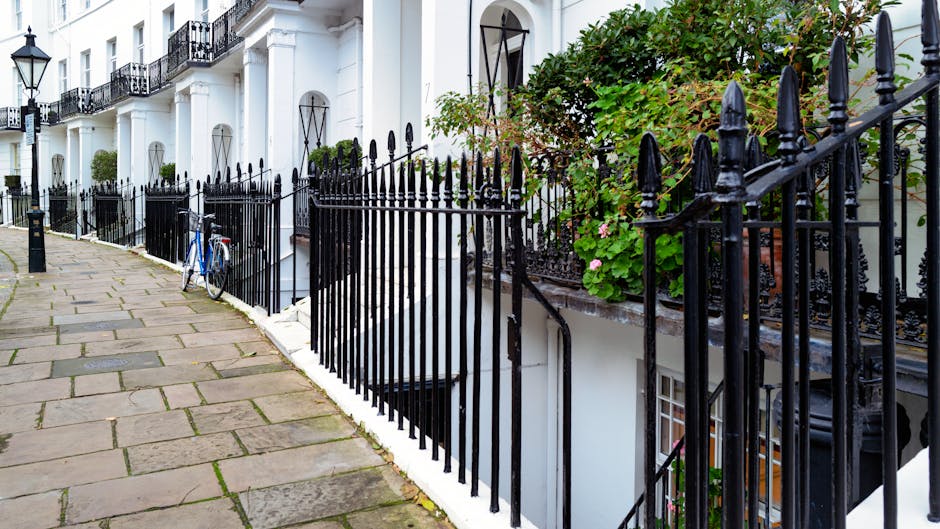
Moving in South Kensington sounds straightforward until the day itself starts throwing curveballs. A blocked mews road, a lift that is suddenly "out of service", a parking issue outside a stucco-fronted terrace, or a packing job that was not quite as finished as it looked last night - and just like that, the clock begins to slip. If you are searching for Common delays in South Kensington removals and quick fixes, you are probably trying to avoid exactly that sinking feeling.
The good news? Most moving delays are predictable once you know the local pinch points. And most of them have fast, practical fixes. In this guide, we will look at the common causes of delay in South Kensington moves, how to respond in real time, and what to do before moving day so the whole process feels calmer. Not perfect. Just properly under control.
One thing we see over and over: people do not actually need more theory. They need a clear plan for the first 15 minutes when something goes wrong. So that is what this article is built around.
- Why it matters
- How delays happen in practice
- Benefits of preventing delays early
- Who this is for
- Step-by-step fixes
- Expert tips
- Mistakes to avoid
- Tools and resources
- Compliance and best practice
- Methods compared
- Real-world example
- Checklist
- Conclusion
- Frequently asked questions
Why Common delays in South Kensington removals and quick fixes Matters
South Kensington is a lovely part of London to live in, but it is not always the easiest place to move around in. Narrow streets, controlled parking, basement flats, mansion blocks, shared entrances, and the occasional awkward stairwell all make timing more fragile than people expect. One small delay can ripple through the rest of the day. The van arrives late, the porters are not ready, the building slot expires, and suddenly everyone is improvising.
That matters for more than convenience. Delays often create extra lifting, more waiting time, more stress for you and the crew, and sometimes avoidable cost. If you are moving with children, pets, elderly relatives, or a strict tenancy handover deadline, even a modest hold-up can become a real headache. Let's face it, moving day already asks enough of everyone.
There is also a confidence issue. When a move starts to wobble, people begin to second-guess the plan. Did we book the right size vehicle? Did we allow enough time? Was the access note accurate? Quick fixes help restore rhythm. They do not magically remove every obstacle, but they do stop a minor snag becoming a full-blown mess.
Expert summary: In South Kensington, delays are usually caused by access, parking, packing, timing, or building rules - and the best quick fixes are the ones that are prepared before the van is at the kerb.
How Common delays in South Kensington removals and quick fixes Works
Think of a removal as a chain. Every link depends on the one before it. If the access plan fails, the packing schedule slips. If the packing slips, loading takes longer. If loading takes longer, the next booking window gets squeezed. That is why removals in South Kensington can feel especially sensitive to small problems.
Most delays fall into a few practical categories:
- Access delays - the property is hard to enter, the lift is unavailable, or there is no clear route for bulky items.
- Parking delays - the vehicle cannot stop close enough, or a bay is unavailable when the team arrives.
- Packing delays - boxes are still being filled, fragile items are not protected, or furniture has not been dismantled.
- Building delays - shared hallways, concierge rules, timed lifts, or move-in restrictions slow the process.
- Planning delays - underestimated volume, missing keys, or a late handover on the property side.
Quick fixes work best when they are specific. If parking is the problem, you need a short-term loading solution and a backup parking plan. If packing is the issue, you need a triage approach: finish the essentials first, seal the boxes, and protect only what is actually moving today. If the lift is out, you need stronger manual handling, more time, and perhaps a rethink on the order of items.
A lot of people assume delays only come from major problems. Not really. Sometimes it is the tiny things: missing labels, one wardrobe still half full, or a lift booking that was never confirmed. Tiny things. Big consequences. Especially in London.
Key Benefits and Practical Advantages
Knowing the common causes of delay is not just about avoiding hassle. It changes the whole quality of the move.
- Less stress on the day - when the likely issues are already mapped out, you do not have to think on your feet as much.
- Better use of paid time - whether you are paying by the hour or managing a tight schedule, fewer pauses means better value.
- Lower risk of damage - rushed lifting and hurried loading are where mistakes creep in.
- Smoother building access - good timing and communication reduce awkward waiting in communal areas.
- Cleaner handover - if you are leaving a rented or sold property, a controlled finish helps you meet the deadline without panic.
There is another benefit that people underestimate: morale. A move that feels organised is easier on everyone. You can hear the difference. Less clattering, less raised voice, fewer "where is the tape?" moments. It sounds small, but it changes the day.
And for anyone moving from a flat in South Kensington to another London neighbourhood, an orderly departure often means a better arrival too. The first box you open should not be your panic box.
Who This Is For and When It Makes Sense
This guide is useful if you are moving from, into, or within South Kensington and want to reduce avoidable downtime. It is especially relevant for:
- tenants working to a tenancy end date
- homeowners coordinating completion and key handover
- people moving from mansion blocks or converted flats
- families with more furniture than they first realised
- small businesses or professionals relocating offices nearby
- anyone booking a removal service and wanting the day to run on time
It also makes sense if you are moving in a way that already carries pressure: same-day handover, a narrow delivery window, or a property with strict access rules. In those cases, a small delay is not just annoying - it can affect the rest of the move.
If you are still weighing up the right type of help, options such as man and van support, full house removals, or more tailored flat removals can make a real difference to timing and access.
Step-by-Step Guidance
Here is the practical part. If you want fewer delays on moving day, work through the move in this order.
1. Check access before anything else
Before the van arrives, confirm the route from the street to the front door. Is there a lift? Is it booked? Are there any stairs, narrow corners, or low ceilings? South Kensington properties can look spacious on the surface but have awkward internal layouts. I have seen a perfectly planned load slowed down by one turn in a hallway that made a sofa behave like a stubborn horse. Not ideal.
2. Sort parking and stopping space early
If the vehicle cannot stop close enough, everything takes longer. Even a few extra metres matter when you are carrying heavy boxes or furniture. If parking is uncertain, build in a buffer. Have someone ready to watch the vehicle if needed, and make sure the driver knows the access point, not just the postcode. The postcode alone never tells the full story, does it?
3. Finish packing the "first wave" items the night before
Leave only the absolute essentials for the final morning: toiletries, chargers, medicines, important documents, and a basic kettle kit if you are moving into a new place. Everything else should be boxed, sealed, and labelled. If you are still packing at the time the crew arrives, your day is already behind.
4. Use a clear priority order
Start with the items that block the move: beds, wardrobes, bulky furniture, and anything that needs dismantling. Once those are dealt with, the rest usually flows more easily. If you need help with packing itself, packing and unpacking services can remove one of the biggest sources of delay.
5. Keep one person assigned to decisions
When several people answer questions at once, time disappears. One person should make calls on what is moving, what is being left, and what needs to be wrapped or dismantled. It sounds simple. It is simple. And yet, on move day, simple gets forgotten rather quickly.
6. Build a short delay buffer
In South Kensington, you are often better off assuming something will take a little longer than planned. Not dramatically longer - just enough to breathe. A 15- to 30-minute buffer can make a whole afternoon feel steadier, especially if there is a building slot or chain deadline.
7. Have a fallback for items you cannot take immediately
If a lift fails, a room is not cleared, or a delivery window changes, use storage as a practical pressure-release valve. It is not a failure. It is a contingency. Truth be told, contingency planning is one of the least glamorous parts of moving - and one of the most useful.
Expert Tips for Better Results
These are the little adjustments that often save the day.
- Label by room and priority - "Kitchen, open first" is much better than "miscellaneous".
- Pre-dismantle what you can safely dismantle - beds and tables are common time sinks if left to the morning.
- Keep hallways clear - a tidy exit route speeds up loading more than people expect.
- Use sturdy boxes, not overloaded ones - overfilled cartons slow lifting and invite damage.
- Separate valuables and paperwork - they should not disappear into the general load.
- Tell the movers about awkward items early - pianos, art, large mirrors, and antique furniture need special handling.
If you are moving something unusually heavy or fragile, specialist help is often faster than trying to make a general loading plan fit everything. For example, piano removals demand different handling, and so do oversized furniture pieces. A small delay there can become a safety issue if the team is forced to improvise.
A useful rule of thumb: if an item makes you pause and think, "How on earth is that coming out?", deal with it before moving day, not during it.
Common Mistakes to Avoid
Most delays are not random. They come from a handful of avoidable mistakes.
- Assuming access will be fine because it usually is - usually is not a plan.
- Leaving packing too late - this is the number one way to create morning chaos.
- Not measuring furniture - doorways, stair turns, and lift sizes matter.
- Forgetting building rules - some blocks have set move times, lift bookings, or protective requirements.
- Not separating essentials - then you are rummaging through boxes at the worst possible moment.
- Underestimating the weather - rain, wet steps, and slippery pavements slow everything down.
Another common mistake is treating the schedule as fixed when it is actually living and breathing. If one item takes longer to move, you adjust the rest. That is normal. What hurts is pretending the timeline has not changed.
And yes, people do this all the time. A little denial on moving day is practically a London tradition.
Tools, Resources and Recommendations
You do not need a complicated toolkit, but a few items make a big difference to speed and calm.
| Tool or resource | Why it helps | Best use |
|---|---|---|
| Strong labels and marker pens | Speeds up sorting and room placement | Boxing, loading, and unpacking |
| Protective wrapping and blankets | Reduces damage and rework | Furniture, mirrors, and awkward items |
| Basic toolkit | Helps dismantle beds and remove fittings | Night before and moving morning |
| Floor and door protection | Prevents damage in communal areas | Shared buildings and tight access routes |
| Route and contact notes | Stops confusion if multiple people are involved | Buildings with concierge or timed access |
If you are comparing removal support, it may help to look at the wider service picture as well. Pages such as removal companies, moving truck, and removal van options can help you judge how much vehicle capacity and labour your move really needs.
For packaging materials, a dedicated packing and boxes service can save a lot of last-minute wandering around for tape and cartons. Been there, unfortunately.
Law, Compliance, Standards, or Best Practice
For removals in South Kensington, the practical compliance side usually centres on safety, access, and respect for building and parking rules. Exact requirements vary by property, landlord, managing agent, and local arrangements, so it is sensible to confirm the details in advance rather than assume they are the same everywhere.
From a best-practice point of view, a reputable moving team should use sensible manual-handling methods, keep walkways clear where possible, and take reasonable care with the property and items being moved. If a building asks for lift protection, advance booking, or specific moving times, those instructions should be followed. That is not red tape for the sake of it - it is usually there to protect residents, staff, and the building fabric.
If you want to understand how a provider handles responsibility and protection, it can be worth reading pages like insurance and safety and health and safety policy. For practical service terms and payments, payment and security and terms and conditions can also be useful.
There is also an environmental angle worth keeping in mind. If items are being discarded, reused, or recycled, it is sensible to handle them responsibly. South Kensington moves often involve furniture and household goods that could be reused rather than binned. A thoughtful approach helps keep waste down, which is just sensible, really.
Options, Methods, or Comparison Table
Not every move needs the same level of support. The quickest fix for a delay often depends on the method you chose in the first place. Here is a simple comparison.
| Method | Best for | Common delay risk | Quick fix |
|---|---|---|---|
| Man and van | Smaller moves, flexible schedules | Underestimating volume | Add a second trip, extra vehicle time, or reduce load priority |
| Full house removals | Larger family moves | Packing not complete on time | Use a room-by-room loading plan and isolate essentials |
| Flat removals | Flats, conversions, and upper floors | Stairs, lifts, and shared access | Book access windows early and clear hallways before arrival |
| Same-day removals | Tight handovers and urgent moves | No margin for error | Prepare backup transport and a shortened checklist |
| Storage-supported move | When dates do not line up | Delayed keys or unfinished packing | Split the move and move non-essentials first |
For many South Kensington households, the best answer is not "the biggest vehicle" but "the most appropriate plan". That distinction saves time, money, and a fair bit of tension.
Case Study or Real-World Example
Here is a realistic example from the kind of move we see often in South Kensington.
A couple moving out of a second-floor flat had packed most rooms well, but they left the wardrobe contents, a bed frame, and several loose kitchen items for the morning. The building had a booked lift slot, and the van arrived on time. So far, so good. Then one of the common delays appeared: the lift was being used by another resident who had not been briefed on the move. Five or ten minutes passed. Not a disaster, but enough to create pressure.
The fix was simple and worked because it was immediate. One person spoke to the concierge, another began carrying lighter boxes via the stairs, and the bulky items were prioritised for the next lift window. The bed frame was dismantled on the spot rather than dragged through a narrow hallway in one piece. The move stayed on track, mostly because the team adjusted instead of arguing with reality. Which, to be fair, never helps.
The lesson is not that delays never happen. They do. The lesson is that a calm response, a defined priority order, and one person making the decisions will usually save more time than frantic speed ever could.
Practical Checklist
Use this checklist in the 48 hours before moving day, then again on the morning itself.
- Confirm the moving date, arrival time, and property access details
- Check whether lift booking or building permission is required
- Reserve or confirm parking/loading arrangements
- Label boxes by room and urgency
- Pack a personal essentials bag
- Dismantle beds, tables, or bulky furniture where possible
- Clear corridors, stairs, and entrance routes
- Set aside valuables, documents, keys, and chargers
- Wrap fragile items and mirror surfaces properly
- Keep water, snacks, and phone chargers accessible
- Make a backup plan for unexpected access or timing issues
- Have the final inventory or room list ready
Quick self-check: if a stranger arrived at your front door right now, would they be able to tell what gets moved first? If the answer is no, tighten the labels and the plan.
Get a free quote today and see how much you can save.
Conclusion
Common delays in South Kensington removals are usually not mysterious. They tend to come from the same few places: access, parking, packing, building rules, and unrealistic timing. Once you know that, the whole move becomes much easier to control. Quick fixes are useful, but the real win is reducing the number of times you need them.
If you are planning a move in South Kensington, think in layers: prepare the route, protect the packing, confirm the rules, and keep a small buffer for the unexpected. That approach will not make moving glamorous - nothing can, really - but it will make it calmer, cleaner, and far more manageable.
And on moving day, calmer is a very good place to be.
Frequently Asked Questions
What are the most common delays in South Kensington removals?
The most common delays are parking problems, restricted access, lift issues, unfinished packing, and building rules such as timed move windows. Tight streets and shared entrances can also slow things down.
How can I stop my South Kensington move running late?
Confirm access, parking, and lift arrangements early, finish packing the night before, label boxes clearly, and keep one person in charge of decisions on the day. A little buffer time also helps more than people expect.
What if the lift is not working on moving day?
If the lift fails, the best quick fix is to switch to a stair-based loading plan, prioritise lighter boxes, and rearrange the order of bulky furniture. If the delay is longer, storage may be the safest fallback for some items.
Are parking issues a big problem in South Kensington?
Yes, parking can be one of the biggest causes of delay because loading depends on how close the vehicle can stop to the property. In busy or restricted streets, even a short walk from the van can add time fast.
Should I pack everything myself or use a packing service?
If you have a lot of items, fragile belongings, or a short timeline, a packing service can reduce delays and make the move more predictable. If you pack yourself, finish early and keep essentials separate.
How early should I book a removal company for South Kensington?
As early as you reasonably can, especially if your move needs special access, a larger vehicle, or timed building entry. Busy periods fill up quickly, and early booking leaves more room to solve access issues calmly.
What should I do if my keys are delayed?
If key handover is late, keep the movers updated immediately and protect the schedule by moving non-essential items first if possible. If the delay is significant, storage can help prevent the whole move from stalling.
Do delays cost more money?
They can, especially if the move is billed by time or if extra waiting affects a wider schedule. The best way to reduce cost pressure is to keep the loading process efficient and avoid unnecessary pauses.
Is South Kensington more difficult for removals than other London areas?
It can be, mainly because of building layouts, parking pressure, and the mix of flats, terraces, and managed properties. That said, a well-planned move in South Kensington can still go very smoothly.
What is the fastest fix if packing is not finished?
Stop trying to finish everything equally. Pack the essentials first, seal and label boxes immediately, and leave non-urgent items for later or for storage. That simple shift often saves the day.
Do I need special arrangements for large or delicate items?
Yes, large and delicate pieces often need more time, better protection, and sometimes specialist handling. Items like pianos, mirrors, or heavy antique furniture should be flagged early so they do not create delays during loading.
Where can I find more information about safety and service expectations?
It is sensible to review the provider's safety, insurance, pricing, and terms information before the move. Those pages can help set expectations clearly and reduce surprises on the day.
Final thought: a move in South Kensington rarely goes perfectly, but with the right preparation, it does not need to go badly either. And that, honestly, is what most people want.